Your Skin Deserves More Than a One-Size-Fits-All Routine.

Flawless Skin Boutique’s exclusive skin maintenance membership, created for those who want to look refreshed, radiant and beautifully maintained all year long.
.png)
.svg)
If you've ever had a provider glance at your skin and casually mention "hyperpigmentation" without much further explanation, you're not alone in wondering exactly what that means for your specific situation. It's a broad medical term that actually covers several distinct conditions, each with a different cause and, importantly, a different treatment approach.
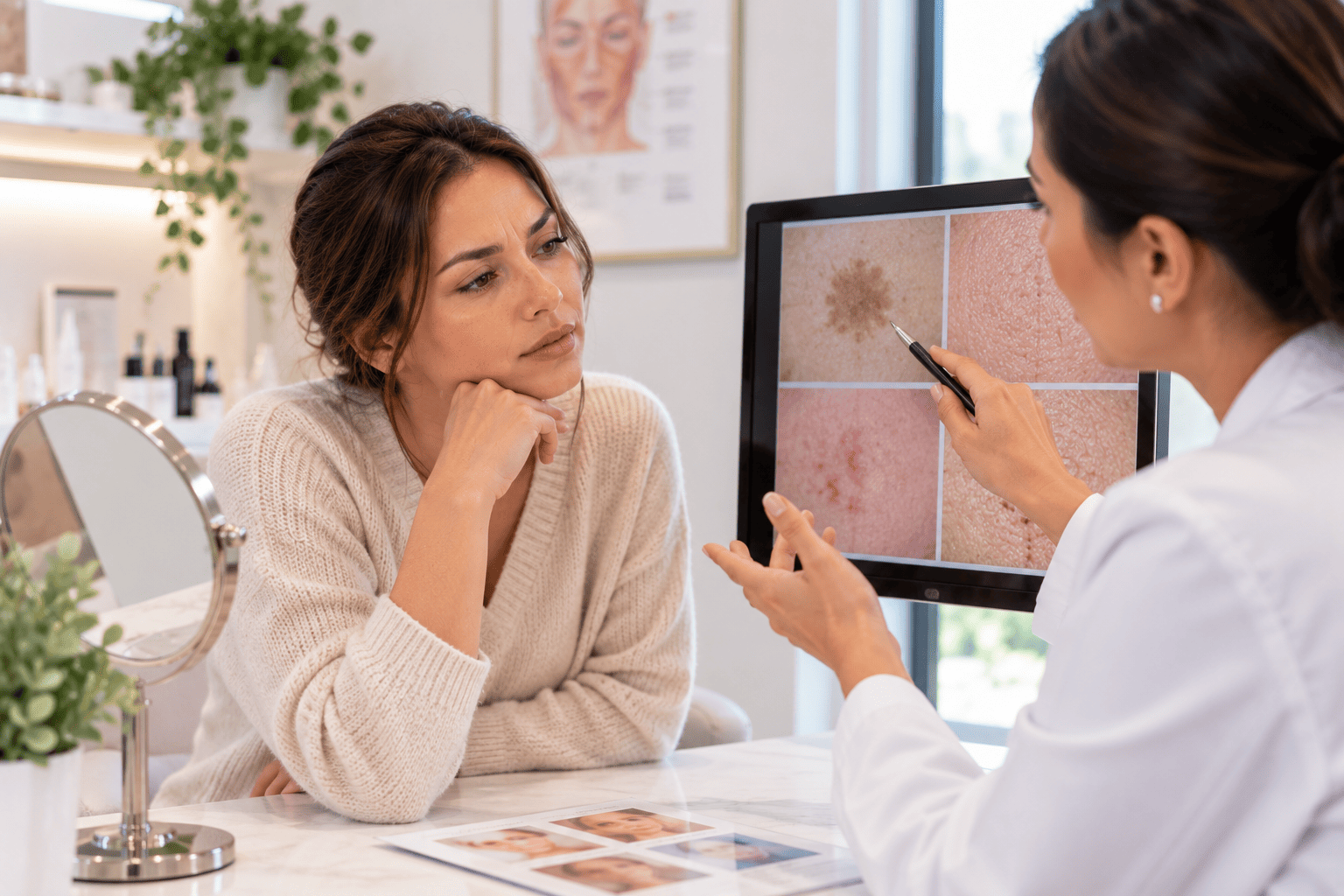
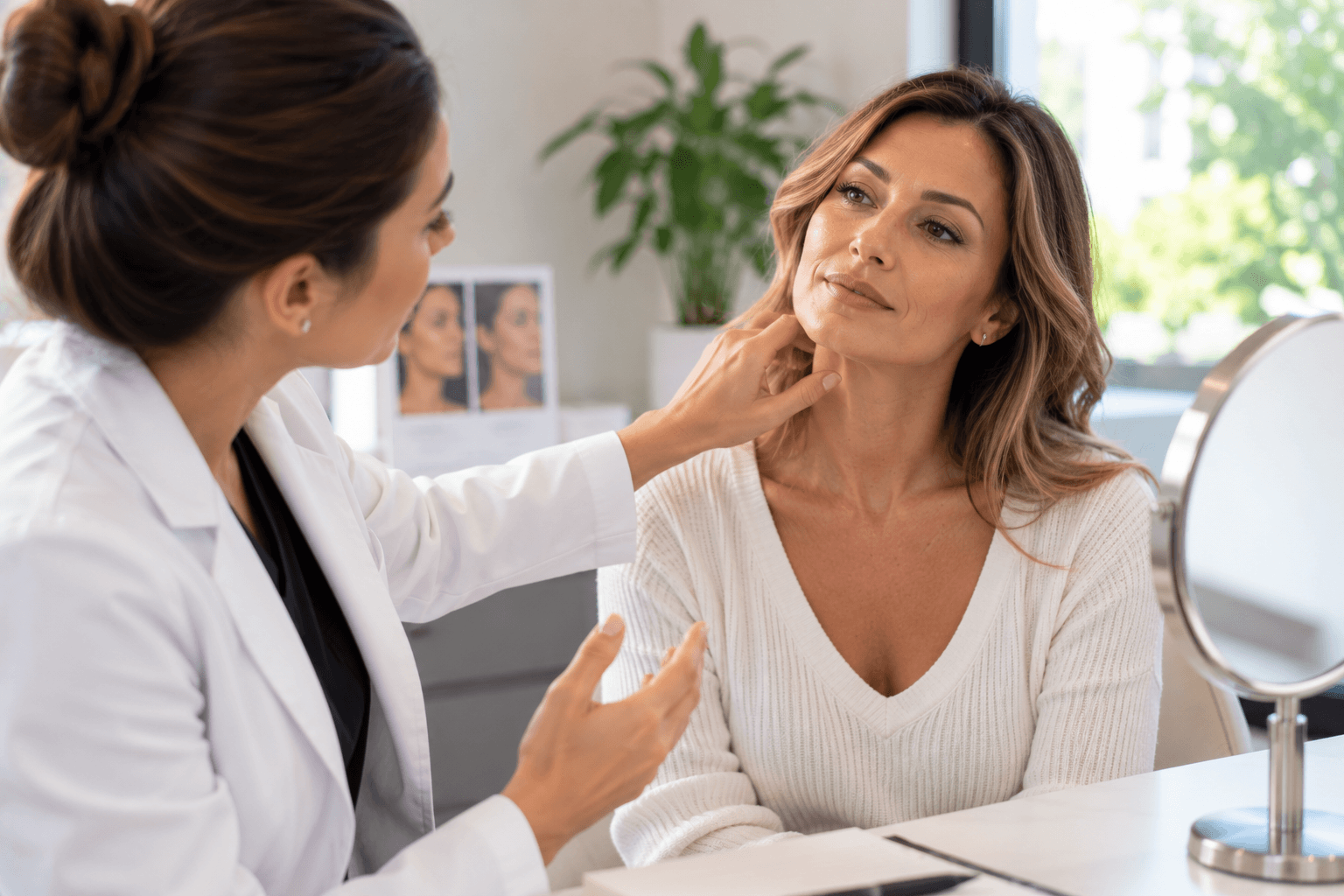
At our Buckhead med spa, understanding which type of hyperpigmentation a client is dealing with is one of the very first things we sort out during a consultation, because treating melasma the same way you'd treat a sun spot rarely produces the result someone is hoping for. This guide breaks down the different types and what tends to help each one. Updated August 2026 with current treatment information.
Hyperpigmentation is a general medical term describing any area of skin that has become darker than the skin surrounding it, due to an overproduction of melanin, the pigment responsible for skin color. It's not a single condition, but rather an umbrella term that includes several distinct patterns of discoloration, each with its own underlying trigger.
Melanin production increases in response to a variety of triggers, including UV exposure, inflammation, certain medications, and hormonal fluctuations. When that overproduction happens in a localized area rather than evenly across the skin, it creates the visible spots or patches associated with hyperpigmentation.
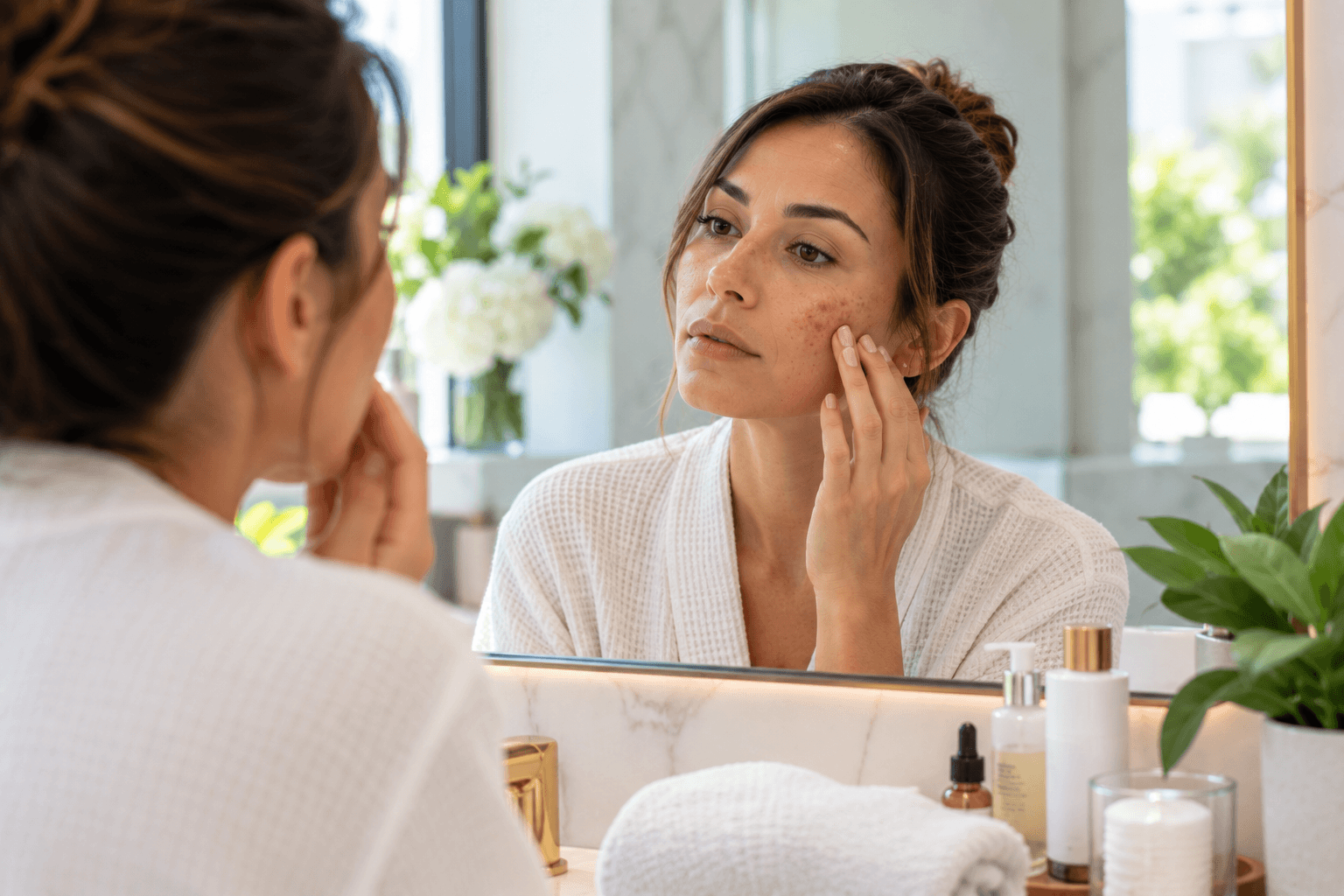
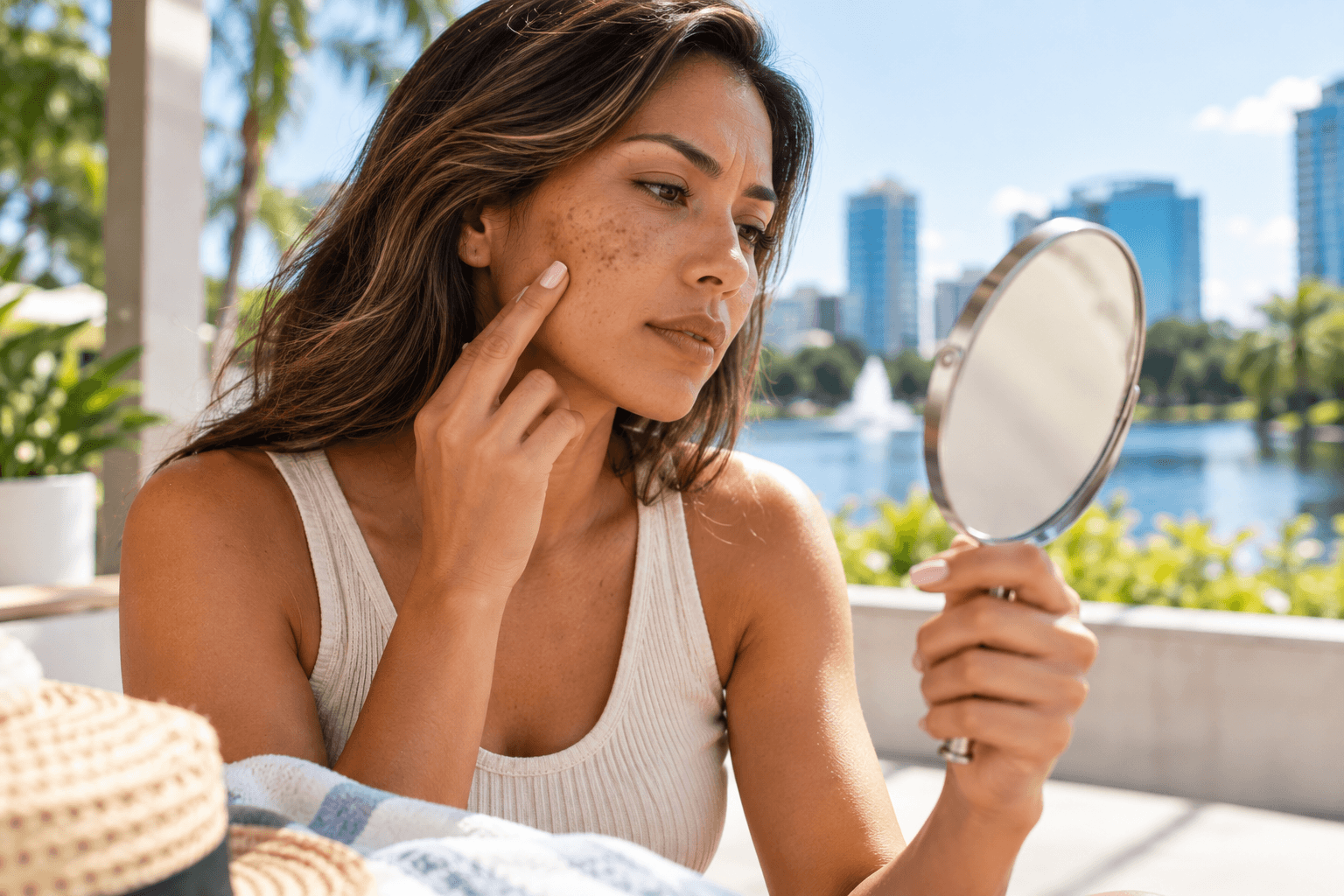
Also called age spots or lentigines, these develop from cumulative sun exposure over the years and typically appear on areas that receive the most consistent sun, like the cheeks, forehead, chest, and the backs of the hands. They tend to be smaller, well-defined spots rather than larger patches.
This type develops after the skin experiences some form of trauma or inflammation, most commonly healed acne, but also cuts, burns, or other irritation. The discoloration that remains afterward, sometimes appearing as a dark or reddish mark, is the skin's residual pigment response to that healing process, and it's especially common in clients with acne-prone skin.
Melasma tends to look different from the other two types. It usually appears as larger, symmetrical patches, often across the cheeks, forehead, or upper lip, and it's strongly linked to hormonal changes, including pregnancy, birth control use, and hormone therapy. It's also more prone to worsening with sun exposure and can be more persistent than other forms of hyperpigmentation.
Each type responds differently to treatment, and some, particularly melasma, can actually worsen if the wrong type of treatment is used, especially anything that involves excessive heat or aggressive resurfacing without appropriate precautions. This is exactly why an accurate assessment matters more than jumping straight to a treatment based on general information alone.
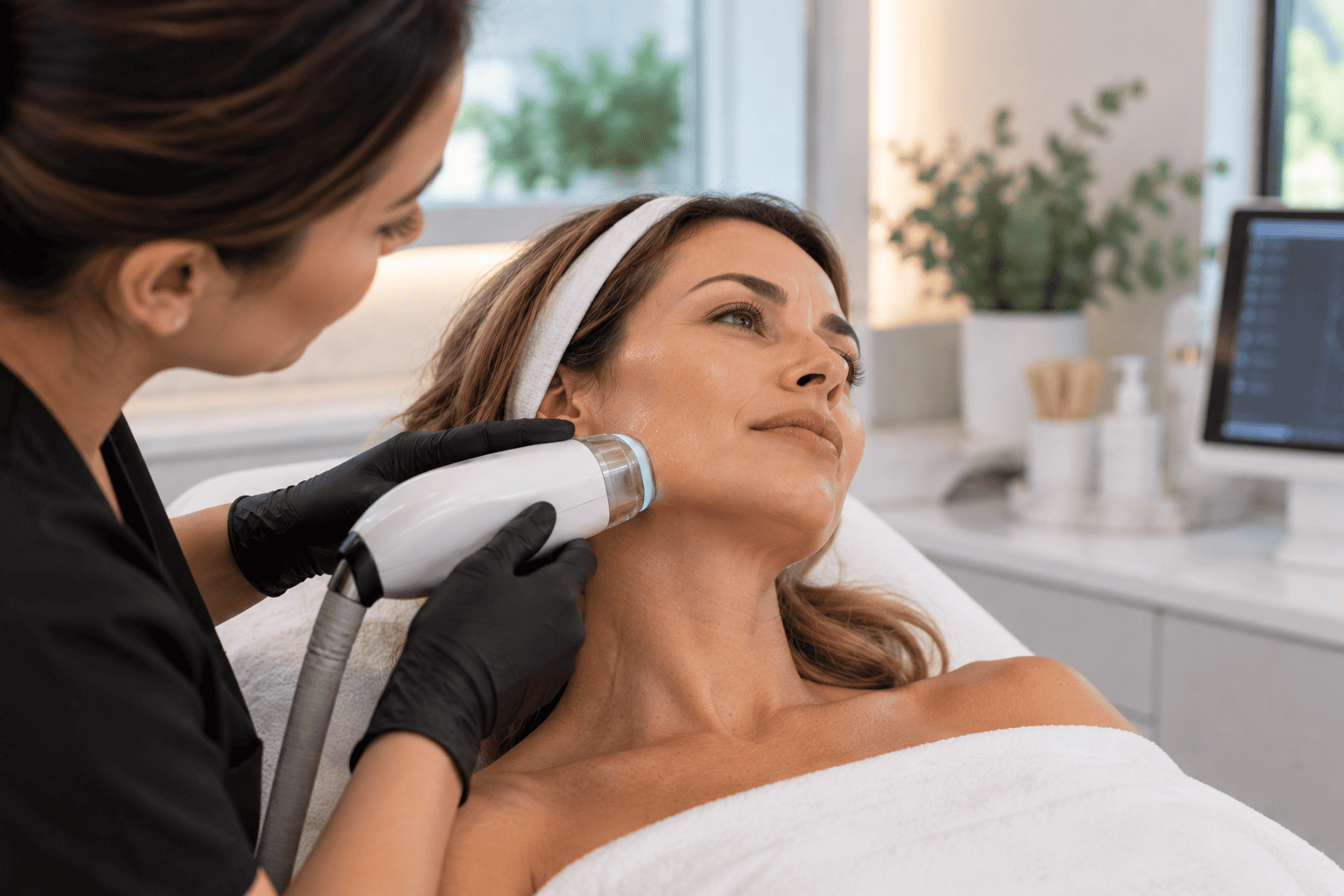
At our practice, Venus Viva MD is often a central part of the conversation for clients dealing with hyperpigmentation, alongside broader texture concerns.
Venus Viva MD uses NanoFractional Radio Frequency technology to reduce signs of skin damage and improve overall skin texture. It's designed to be safe for all skin types and tones, covering the full Fitzpatrick scale, which is an important consideration for hyperpigmentation specifically, since some resurfacing technologies carry more risk of worsening pigmentation in deeper skin tones. Most clients see optimal results with three to four sessions, each taking about thirty minutes, with minimized downtime compared to more aggressive resurfacing options.
Yes, microneedling using the SkinPen device is another approach, particularly effective for promoting skin cell turnover, which helps fade discoloration gradually as part of a series of sessions. Depending on your specific type of hyperpigmentation and overall skin goals, a provider might recommend one approach over the other, or a combination of both over time.
Melasma is generally treated more conservatively than other types of hyperpigmentation, since aggressive heat-based treatments can sometimes trigger a flare in melasma-prone skin. A consultation is especially important here, since your provider needs to evaluate your specific case and recommend a plan that accounts for melasma's tendency to be more sensitive to certain triggers.
Hyperpigmentation, regardless of type, typically improves gradually rather than all at once. Since these treatments rely on stimulating your skin's own healing and turnover process, most clients are looking at a series of sessions spaced several weeks apart, rather than a single visit solution.
Continued sun exposure during treatment can counteract progress and, in some cases, trigger new pigmentation to form even as existing spots are fading. Daily sunscreen use is considered an essential part of any hyperpigmentation treatment plan, not just an optional add-on.
Between Atlanta's warm climate, which means a lot of sun exposure throughout the year, and the range of skin tones and hormonal factors present in a diverse client base, we see the full spectrum of hyperpigmentation types regularly. That variety is exactly why a one-size-fits-all approach doesn't serve clients well here, and why a proper consultation matters so much before starting any treatment.
It's worth asking directly which type of hyperpigmentation your provider believes you're dealing with, whether your skin tone requires any specific precautions, and what a realistic timeline looks like for your particular case. A good provider will walk through this clearly rather than treating all discoloration the same way.
What's the difference between hyperpigmentation and dark spots? Dark spots, specifically sun spots or age spots, are one type of hyperpigmentation. Hyperpigmentation is the broader medical term that also includes melasma and post-inflammatory marks from acne or irritation.
Can hyperpigmentation be treated safely on darker skin tones? Yes, though the specific treatment matters. Options like Venus Viva MD are designed to be safe across all skin types and tones, which is an important factor to discuss during a consultation.
Is melasma treated differently than other types of hyperpigmentation? Yes, melasma often requires a more conservative approach, since aggressive heat-based treatments can sometimes trigger flares in melasma-prone skin.
How long does it typically take to see improvement in hyperpigmentation? Most clients see gradual improvement over a series of sessions spaced several weeks apart, since these treatments work with the skin's natural healing and renewal process.
Does hyperpigmentation ever go away completely without treatment? It can fade slowly on its own in some cases, particularly mild post-inflammatory marks, but sun-induced spots and melasma often persist or worsen without some form of active treatment and consistent sun protection.
Hyperpigmentation isn't one condition with one fix, it's a family of related concerns that each deserve their own diagnosis and plan. If you've been treating your skin based on guesswork rather than an actual understanding of what's happening underneath, our Buckhead team can help sort that out with a proper evaluation. Book an appointment or explore our full list of services to learn more.

Our Collagen Elixir is a potent skincare ally, promoting elasticity and hydration. Its rich blend of amino acids supports skin regeneration, reducing wrinkles and fine lines for a youthful, radiant complexion.


.png)