Your Skin Deserves More Than a One-Size-Fits-All Routine.

Flawless Skin Boutique’s exclusive skin maintenance membership, created for those who want to look refreshed, radiant and beautifully maintained all year long.
.png)
.svg)
It's one of the more commonly searched terms in the skincare world, and also one of the most misunderstood. A lot of people typing "skin whitening" into a search bar aren't actually looking to change their overall skin color at all. They're looking at a specific patch of discoloration, maybe a sun spot on their cheek or a shadow left behind by an old breakout, and wondering how to make that one area match the rest of their skin again.
That distinction matters, because it changes the entire conversation. Here in Buckhead, Atlanta, this comes up often enough during consultations that it's worth breaking down clearly, both what's actually happening on your skin and what tends to help. This guide was updated in August 2026 with current information.
In many parts of the world, skin whitening refers to products or procedures intended to lighten overall skin tone. But in the context of most searches from people dealing with everyday skin concerns, the term is usually being used loosely to describe something different: wanting to fade specific areas of discoloration so their skin tone looks more even overall. That's a meaningfully different goal, and it's rooted in a completely different skin condition than the term might suggest.
In most cases, the real culprit is hyperpigmentation, which happens when certain areas of skin produce excess melanin in response to sun exposure, inflammation, hormonal changes, or healed acne. The result is spots or patches that appear darker than the surrounding skin, rather than the skin itself being a different overall color.
Sun spots, sometimes called age spots, typically appear on areas with the most cumulative sun exposure, like the cheeks, forehead, and back of the hands. Post-inflammatory marks are the shadows left behind after a pimple, cut, or other skin irritation heals, and they're especially common in people with acne-prone skin. Melasma is a different pattern entirely, often appearing as larger, symmetrical patches on the cheeks or upper lip, and it's frequently linked to hormonal changes.
Once melanin has clustered in a specific area, it tends to stay there until the skin cells containing it are naturally shed and replaced, a process that can take a long time on its own, especially for deeper pigmentation. Continued sun exposure can also reinforce existing spots, which is why many people notice these patches becoming more stubborn rather than fading over time.
Yes, and this is worth separating from the discoloration conversation. Areas like the knees, elbows, and knuckles are naturally a bit darker for most people due to normal variations in skin thickness and melanin distribution, which is different from the kind of spot-specific discoloration that most people are actually trying to address.
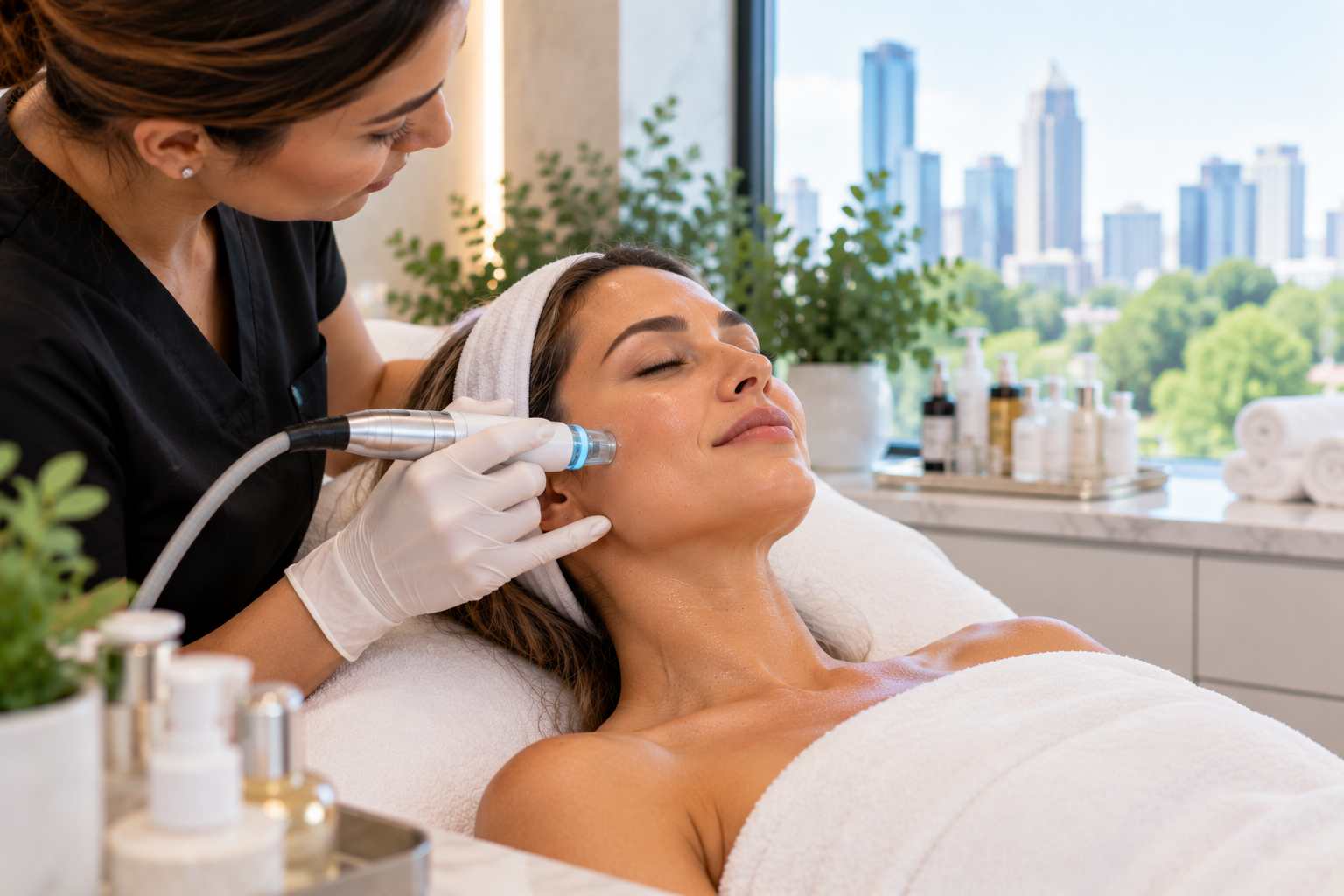
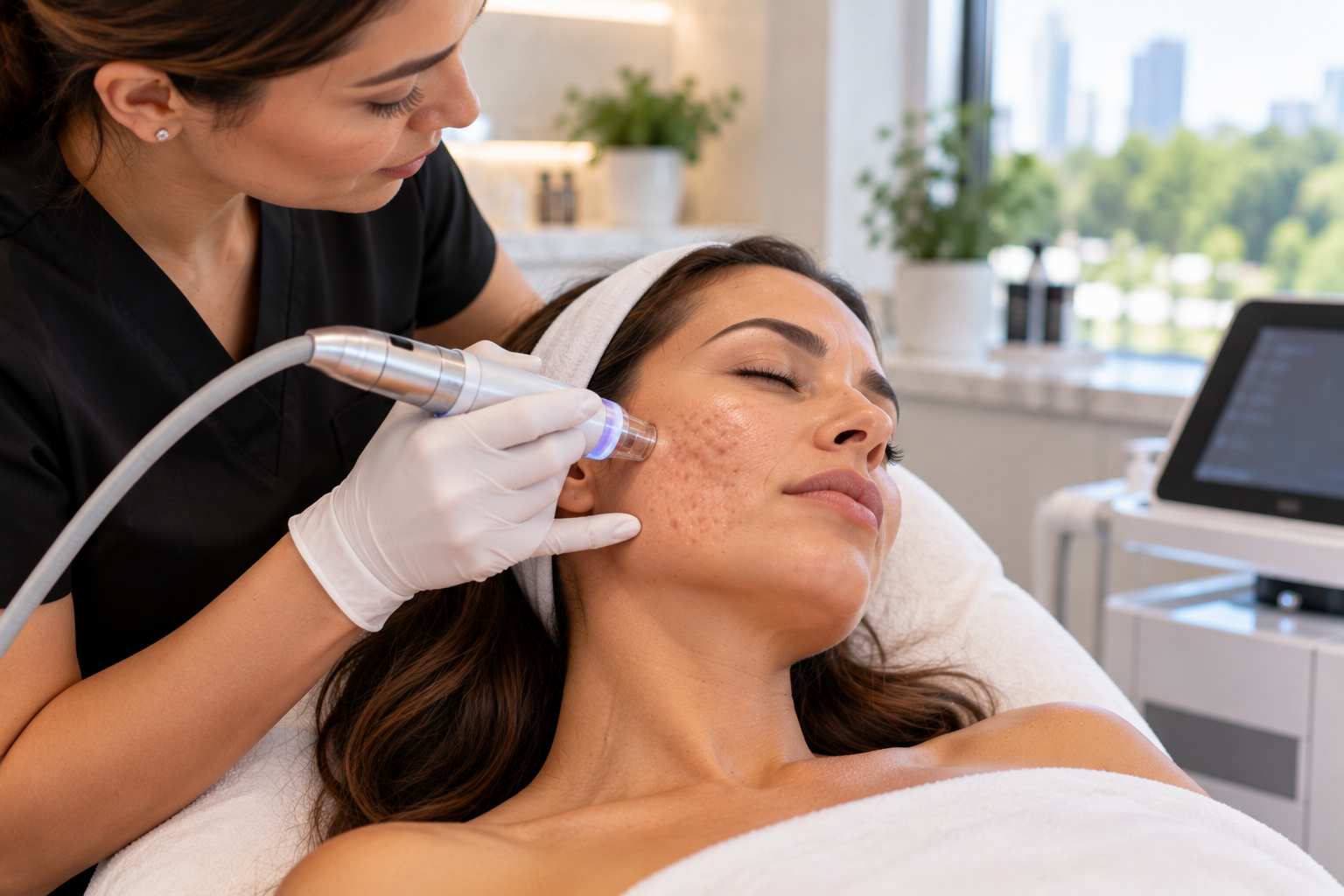
Rather than "whitening" the skin, the more accurate and effective goal is addressing the specific pigmentation causing the unevenness in the first place. At our practice, the most relevant option for this is microneedling using the SkinPen device paired with AnteAGE MD serums.
Microneedling promotes the turnover of skin cells, which helps fade dark spots and encourages the skin to replace pigmented cells with newer, more evenly toned ones over time. It works through the body's own natural healing response rather than bleaching or altering pigment directly, which is part of why results tend to look gradual and natural rather than abrupt.
For clients dealing with a broader combination of concerns, including texture, fine lines, and pigmentation together, Venus Viva MD is another option worth discussing during a consultation. It uses NanoFractional Radio Frequency technology to improve overall skin texture and is designed to be safe across all skin types and tones, which matters for anyone concerned about how a resurfacing treatment might affect their specific skin tone.
Addressing pigmentation is rarely a one-visit process. Microneedling for tone and texture concerns generally involves a series of three to six sessions spaced a few weeks apart, allowing the skin's natural healing and cell turnover process to gradually improve the appearance of dark spots over time.
Downtime is minimal. Skin may appear a bit red and feel slightly sensitive, similar to a mild sunburn, for a short period afterward, but most clients return to their regular routine quickly.
Since sun exposure is one of the biggest contributors to new pigmentation forming, daily sun protection is one of the most important habits for maintaining results after any treatment aimed at evening out skin tone. This is true regardless of which specific treatment you choose, since new spots can form even after existing ones have faded.
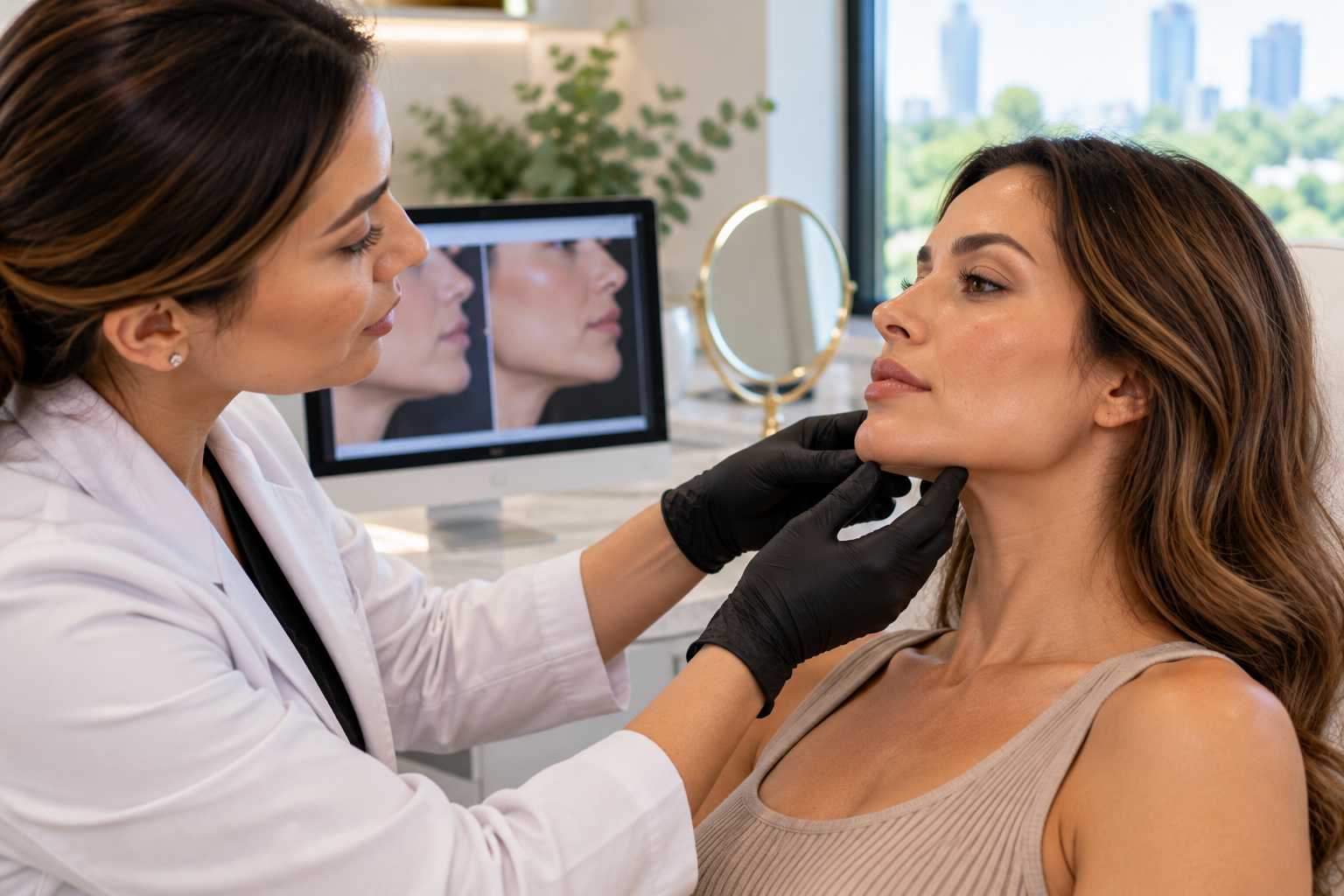
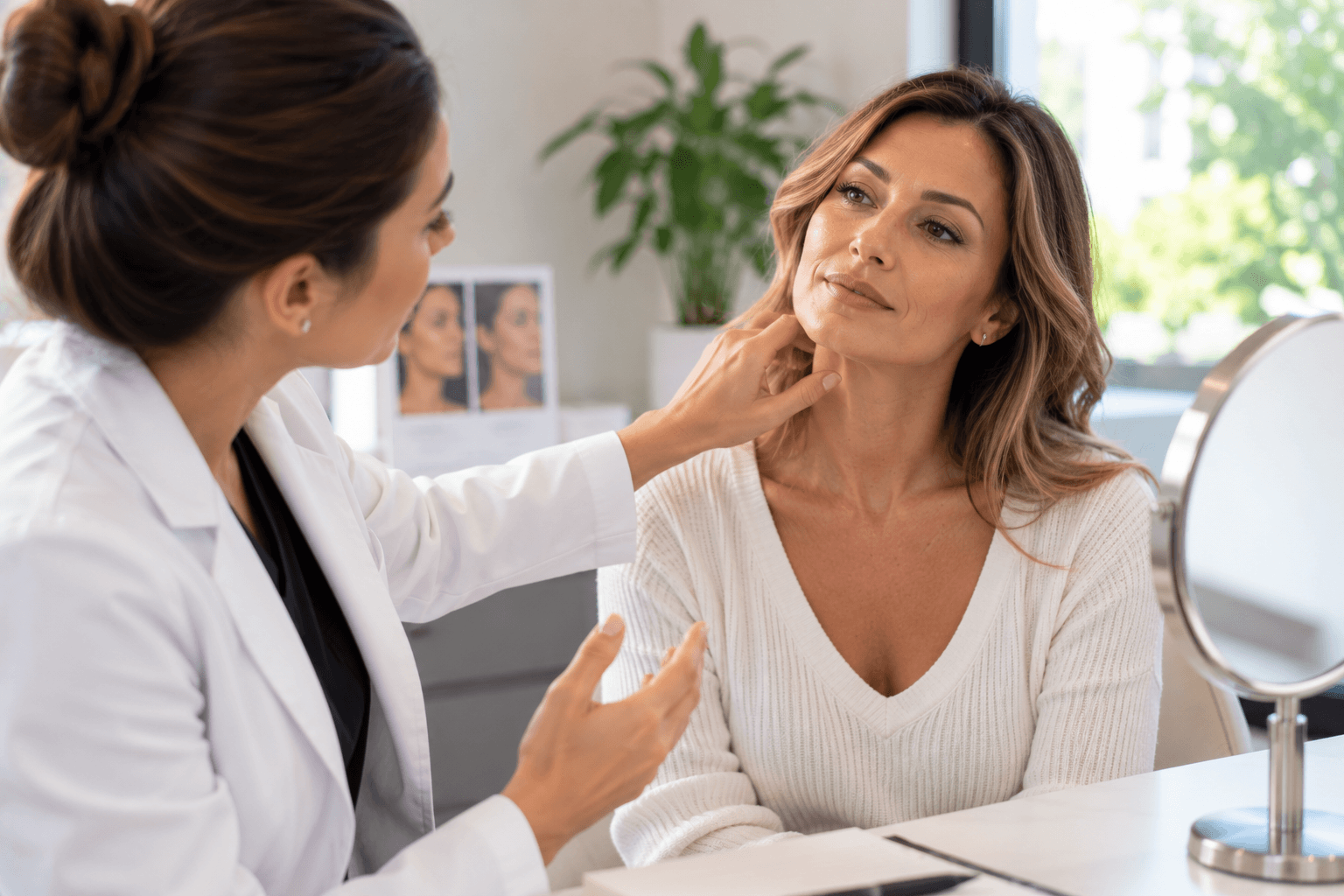
It's a good idea, especially since some over-the-counter products marketed for lightening or brightening can be more irritating than helpful if used incorrectly, or may not be suited to your specific skin type. A consultation can help clarify what's actually causing your specific concern and which professional treatment is likely to make the most meaningful difference.
Is skin whitening the same thing as treating dark spots? Not exactly. Skin whitening often refers to lightening overall skin tone, while most people are actually trying to fade specific areas of discoloration, which is a different goal addressed through pigmentation-focused treatments.
What causes dark patches or spots in the first place? Common causes include sun exposure, post-inflammatory marks from healed acne or irritation, and melasma, which is often linked to hormonal changes.
Can microneedling really help even out skin tone? Yes, microneedling promotes skin cell turnover, which helps fade dark spots and encourages the skin to develop a more even tone over a series of sessions.
How long does it take to see improvement in skin tone? Most clients begin noticing gradual improvement over a series of sessions spaced a few weeks apart, since the process relies on the skin's natural healing and renewal cycle.
Is treatment safe for all skin tones? Options like Venus Viva MD are designed to be safe across all skin types and tones, which is an important consideration for anyone with deeper or more melanin-rich skin.
Most people searching for skin whitening are really just hoping their skin tone would stop telling on them every time a spot lingers longer than it should. Understanding the actual cause behind that unevenness is the first step toward a treatment plan that actually works with your skin instead of against it. If this sounds like your situation, our Buckhead team can walk you through a realistic, personalized plan. Book an appointment or browse our full list of services to learn more.

Our Collagen Elixir is a potent skincare ally, promoting elasticity and hydration. Its rich blend of amino acids supports skin regeneration, reducing wrinkles and fine lines for a youthful, radiant complexion.